


January 02, 2025
By Our Correspondent
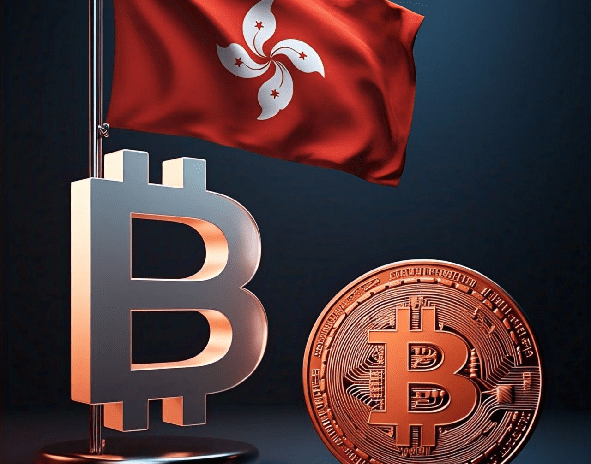
Hong Kong is poised to potentially become one of the nations utilizing bitcoin (BTC) as a means of preserving value and as a safeguard against inflation by designating the cryptocurrency as a fiscal reserve asset.
As reported by local media outlet Wen Wei Po, Wu Jiexhuang, a member of the Hong Kong Legislative Council, has suggested the integration of BTC into the region’s fiscal reserves to bolster financial stability. He indicated that Hong Kong could utilize foreign exchange funds to acquire and maintain BTC over the long term.
Jiexhuang articulated to Wen Wei Po that the inclusion of BTC in Hong Kong’s fiscal reserves could stimulate the growth of the local cryptocurrency sector, attract skilled professionals and investments, and enhance revenue from transaction stamp taxes.
Leveraging China’s one country, two systems framework, the addition of BTC to Hong Kong’s reserves could provide the region with a competitive edge and assist authorities in mitigating economic disruptions stemming from the broader acceptance of the asset in conventional markets.
“If leading economic nations take the initiative to incorporate Bitcoin into their strategic reserves, the stability of Bitcoin’s value will increase, prompting more countries to follow suit and decrease their reliance on traditional assets. This shift would likely lead to a decline in the value of traditional assets and reduce the government’s fiscal reserves tied to those assets,” Jiexhuang stated.
While acknowledging the advantages of investing in BTC, the politician also highlighted the associated risks. He recommended that Hong Kong authorities consider allocating a modest portion of national reserves to this asset, beginning with Bitcoin exchange-traded funds (ETFs). He urged the government to analyze the effects of the United States’ spot Bitcoin ETF market on the local financial landscape and respond accordingly.
Hong Kong currently possesses a market for spot Bitcoin ETFs; however, the inflows into this market are significantly lower than those observed in U.S. spot Bitcoin ETFs.
Jiexhuang is not the first legislator to advocate for the inclusion of Bitcoin in Hong Kong’s reserves; another member of the legislative council, Johnny Ng, made a similar proposal in July 2024. Ng’s recommendation was inspired by U.S. President Donald Trump’s commitment to establish a national Bitcoin reserve during the Bitcoin Conference held in Nashville last year.
Both lawmakers contend that Trump’s initiative to create a strategic Bitcoin reserve for the United States could substantially influence traditional markets, and they assert that Hong Kong could emerge as a financial center that fosters such technological innovations.
Simultaneously, legislators in Germany are also advocating for the integration of Bitcoin as a reserve asset for the nation.
